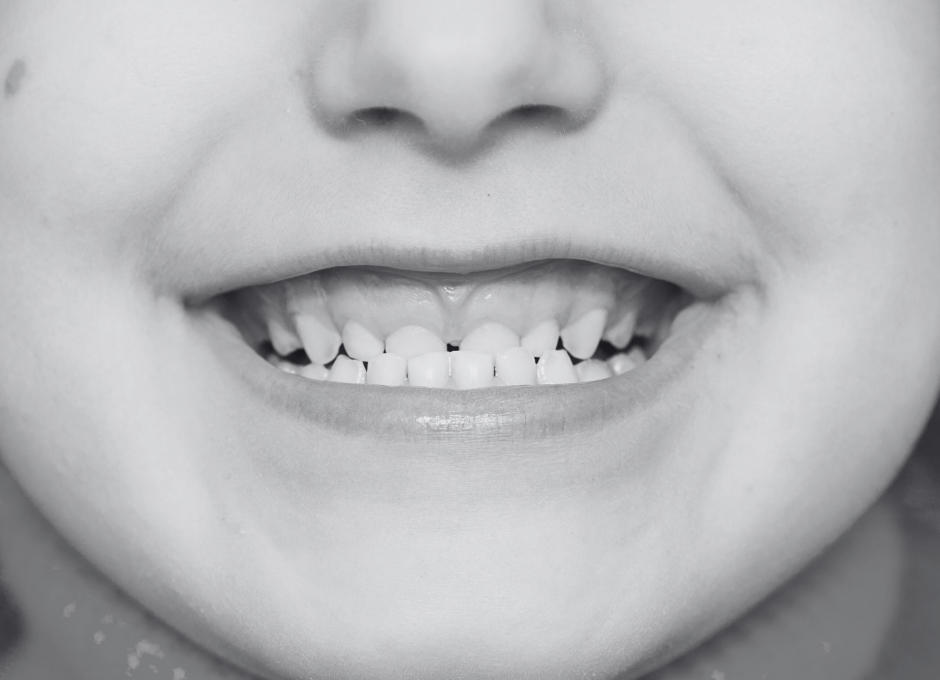
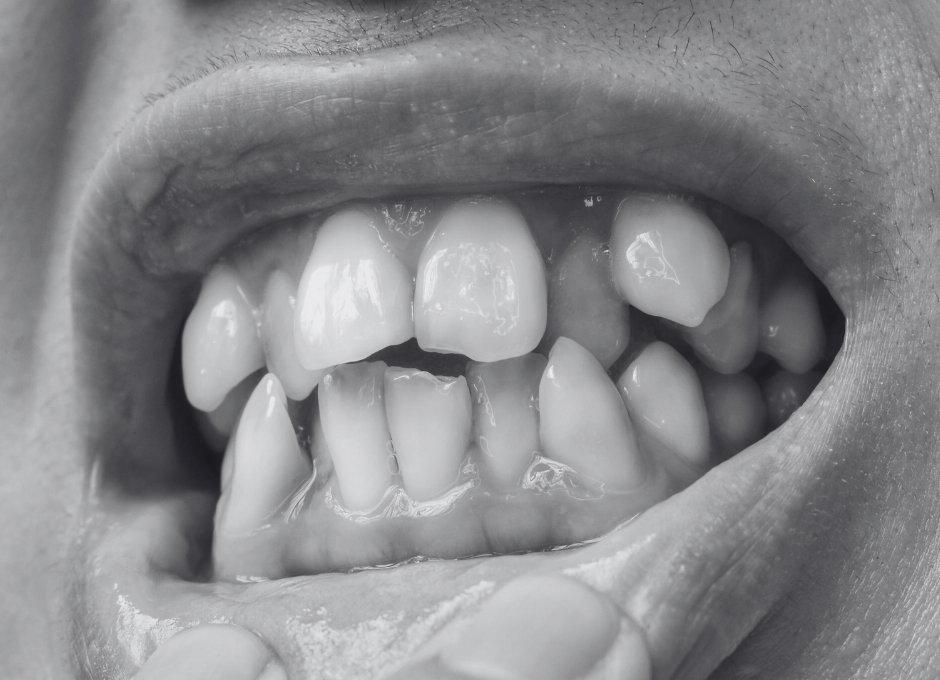
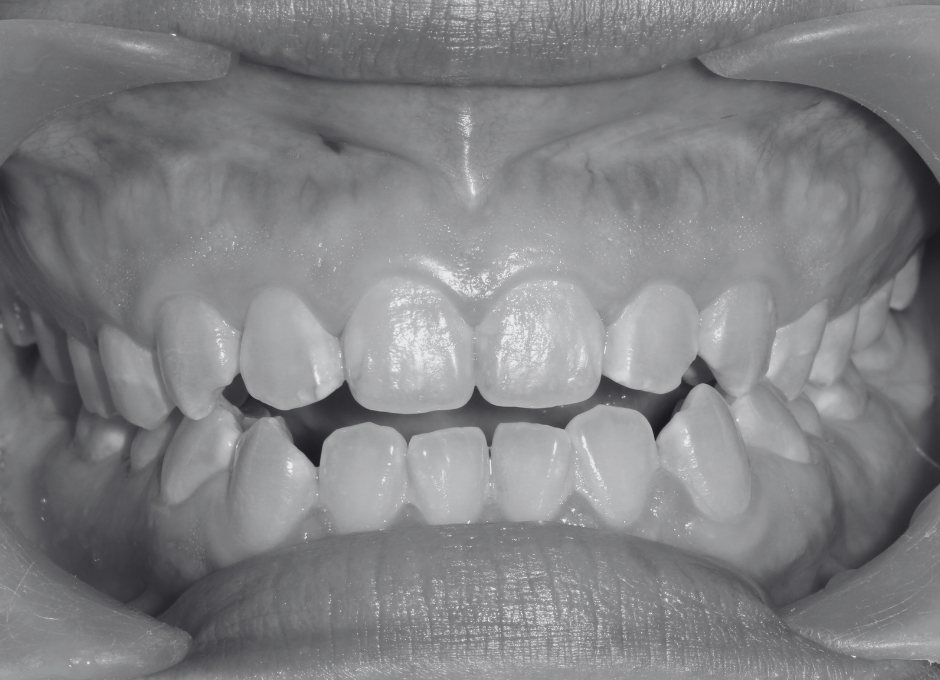
Whether you’re seeking a picture-perfect smile or need to correct a complex bite issue, Dr. Thomas offers personalized orthodontic solutions for children, teens, and adults.
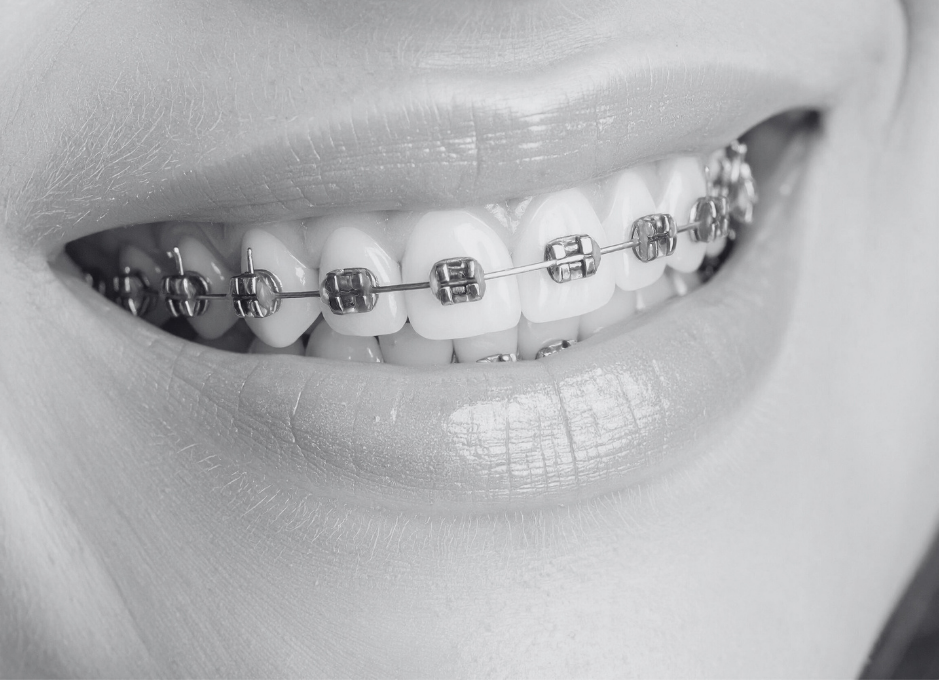
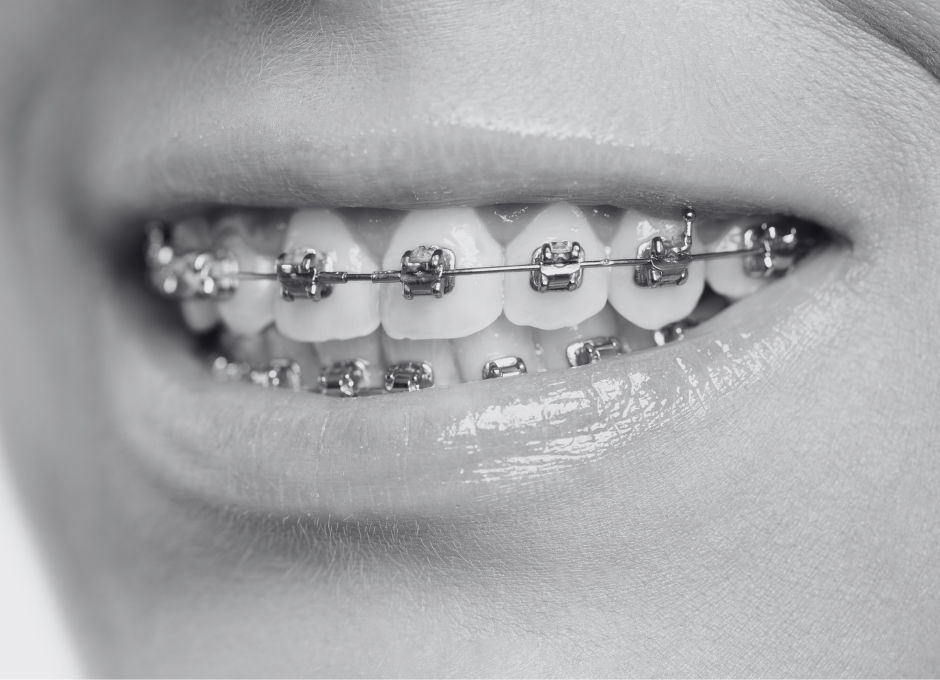
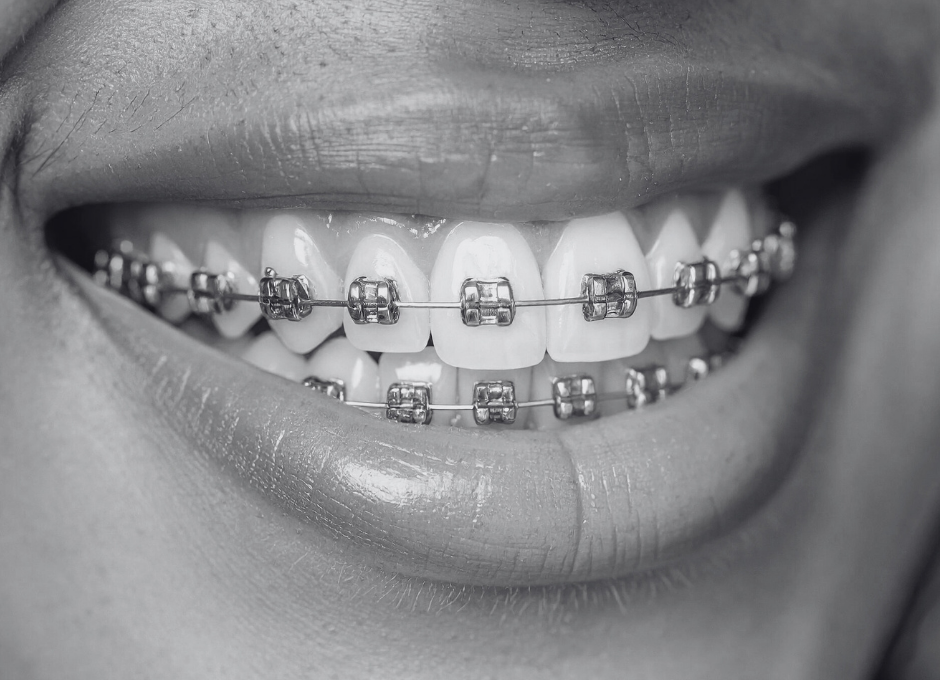
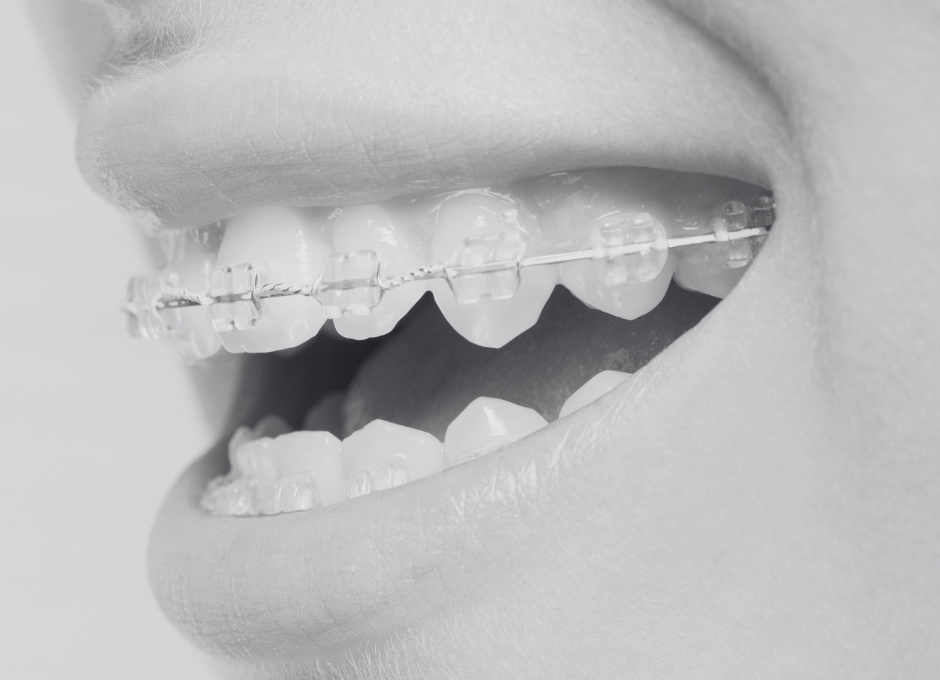
Maximum Effectiveness: They are the gold standard for a reason. Metal braces can fix the widest range of complex orthodontic issues with incredible precision and control. They are the most powerful tool for your specialist.
Extremely Durable: The metal brackets are very strong and can withstand the forces of treatment without breaking easily.
No Daily Discipline Needed: Because they are fixed to your teeth, you can't forget to wear them. This ensures the treatment is always working, which can sometimes lead to faster results than non-compliant aligner wear.
Most Noticeable Appearance: This is their main drawback. They are the most visible type of orthodontic treatment.
Initial Discomfort: Patients often experience some soreness or discomfort for a few days after they are fitted and after each adjustment. The brackets and wires can also irritate the cheeks and lips.
Food Restrictions: You must avoid hard, sticky, and very chewy foods (like hard sweets, toffees, popcorn, and chewing gum) to prevent breaking a bracket or bending a wire.
More Difficult to Clean: Brushing and flossing require extra time and special tools (like interdental brushes) to effectively clean around the brackets and wires, increasing the risk of plaque buildup if not done diligently.
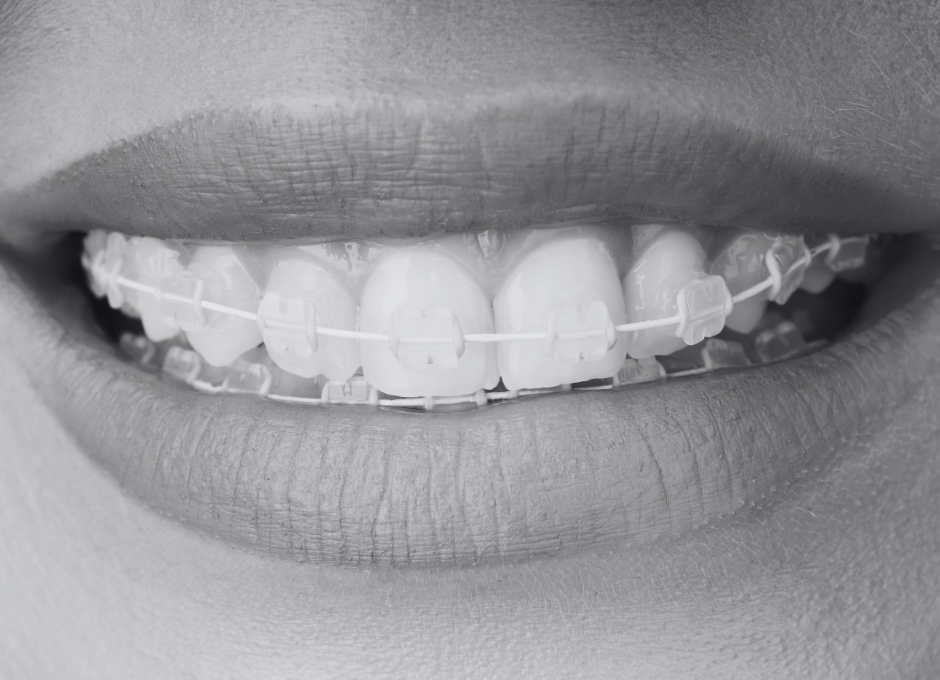
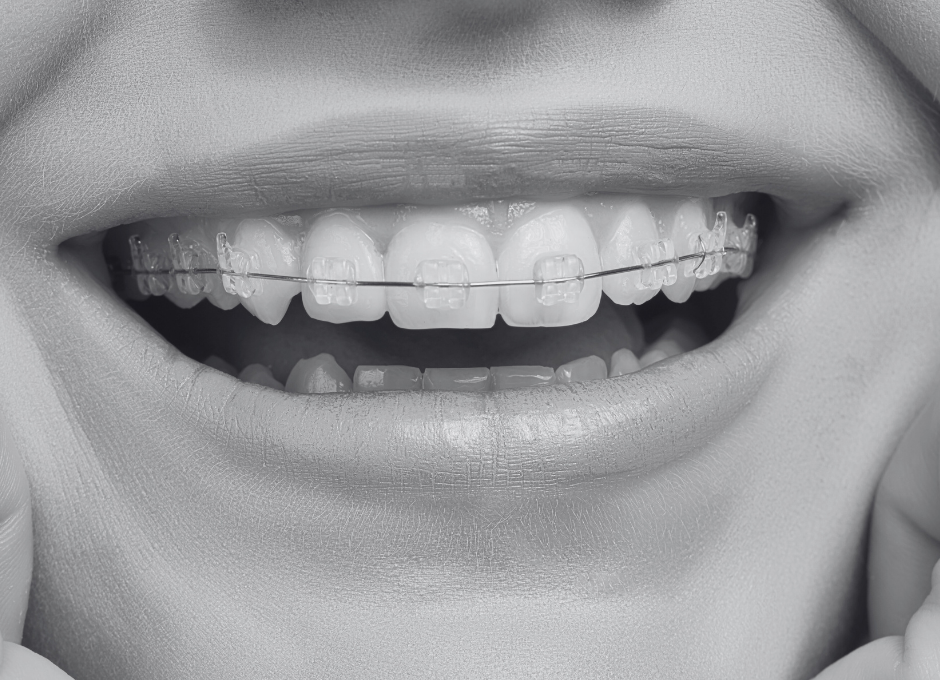
Excellent Aesthetics: They offer a great cosmetic compromise, providing the effectiveness of traditional braces with a much less noticeable appearance. They are a popular choice for adults who want a more discreet fixed option.
As Effective as Metal: They can treat the same wide range of complex cases as metal braces, offering your orthodontist the same level of precise control.
Prone to Staining: While the ceramic brackets themselves are stain-resistant, the clear elastic ties used to hold the wire can stain easily from things like coffee, tea, red wine, or curry. This can make them look discoloured between appointments.
Fragility: The ceramic material is more brittle than stainless steel, making the brackets slightly more prone to chipping or breaking.
Bulky: The brackets can sometimes be slightly larger than metal ones, which some patients may find less comfortable initially.
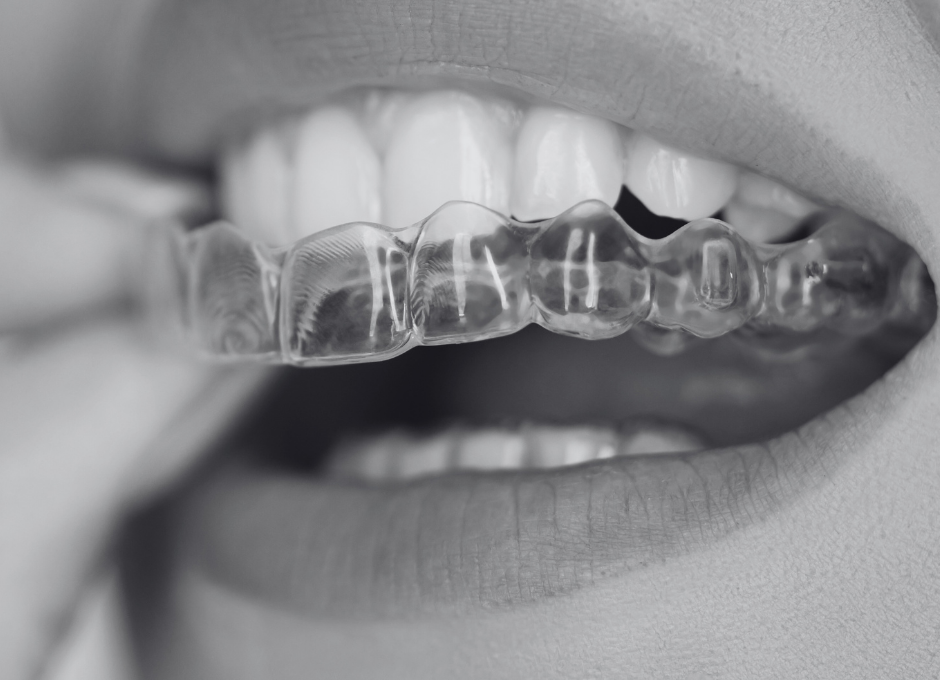
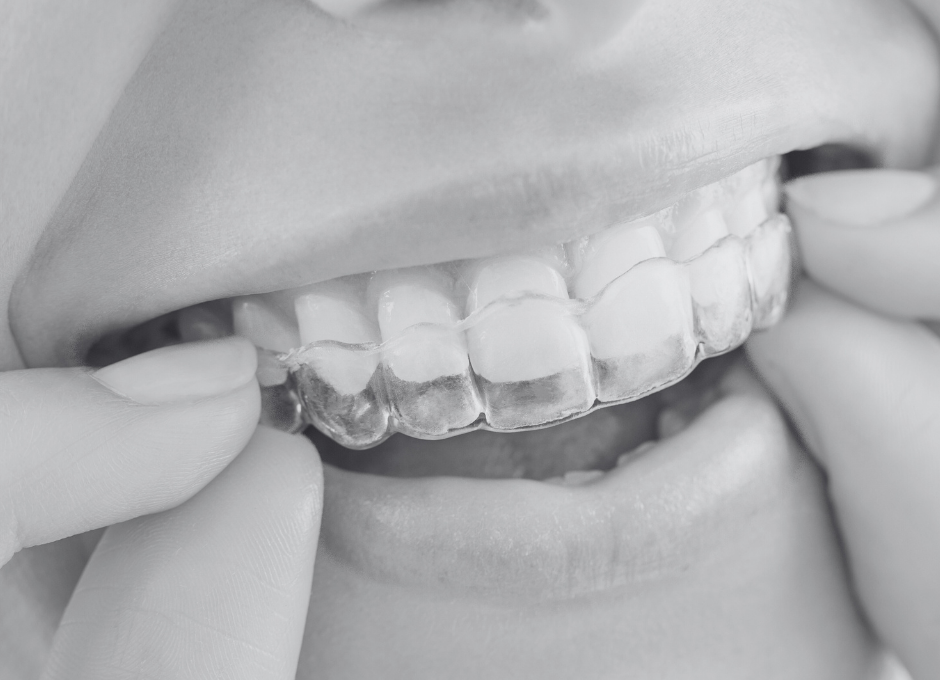
Superior Aesthetics: They are virtually invisible, making them the most discreet option available. This is a huge advantage for professionals or anyone who is self-conscious about wearing braces.
No Food Restrictions: You remove the aligners to eat and drink. This means you can continue to enjoy all your favourite foods—from crunchy apples to sticky toffee—without worry.
Easier Hygiene: Since they are removable, you can brush and floss your teeth as you normally would, making it much easier to maintain excellent oral health during treatment.
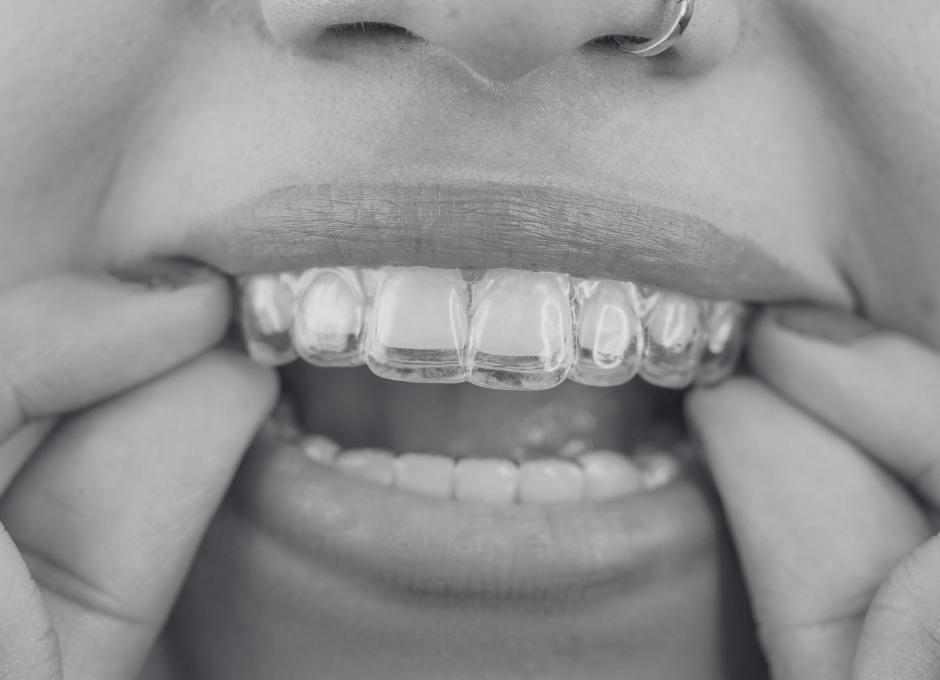
Better Comfort: The aligners are made of smooth plastic with no sharp edges. There are no metal wires or brackets to cause irritation, cuts, or ulcers inside your mouth.
Disciplined compliance Required: Their biggest pro is also a con. You must wear them for 20-22 hours per day. Forgetting to put them back in or losing them can significantly delay your treatment progress.
Not for All Cases: While technology has improved immensely, extremely complex cases involving severe bite issues or multiple tooth extractions may still be treated more effectively and predictably with braces.
Inconvenient for Snacking: You must remove them every time you eat or drink anything other than water and brush your teeth before putting them back in. This can be a hassle for frequent snackers or coffee drinkers.
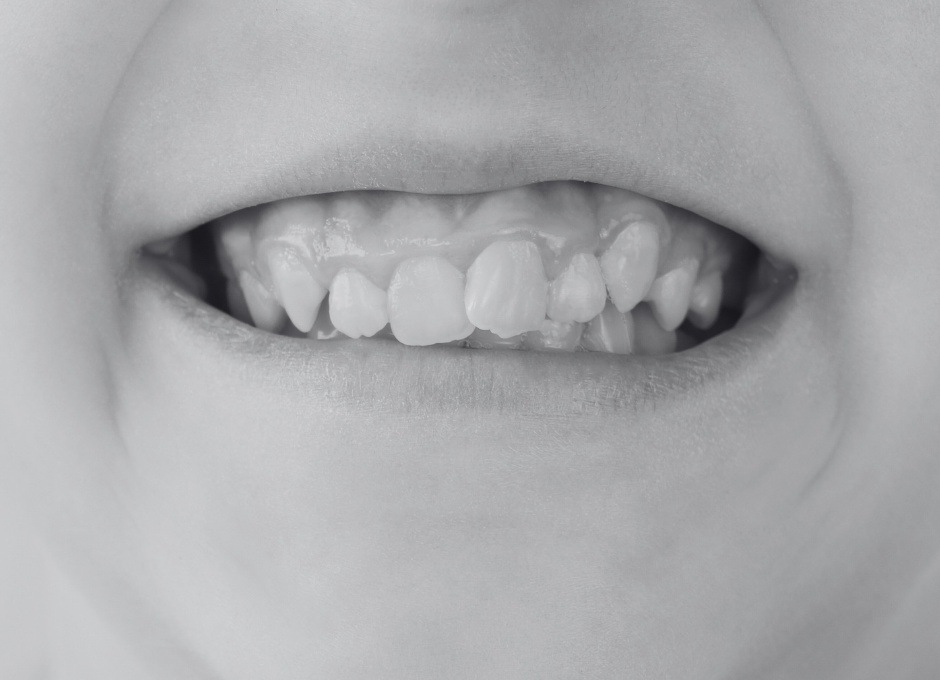
This is when there isn’t enough space in the jaw for all the teeth to fit normally. They can twist, overlap, and get pushed forward or backward.
Why it’s a problem: Crowded teeth are much harder to brush and floss effectively. This can lead to a higher risk of plaque buildup, tooth decay, and gum disease.
How braces fix it: By gradually expanding the dental arch and moving teeth, braces create the necessary space to align each tooth perfectly in its proper position.
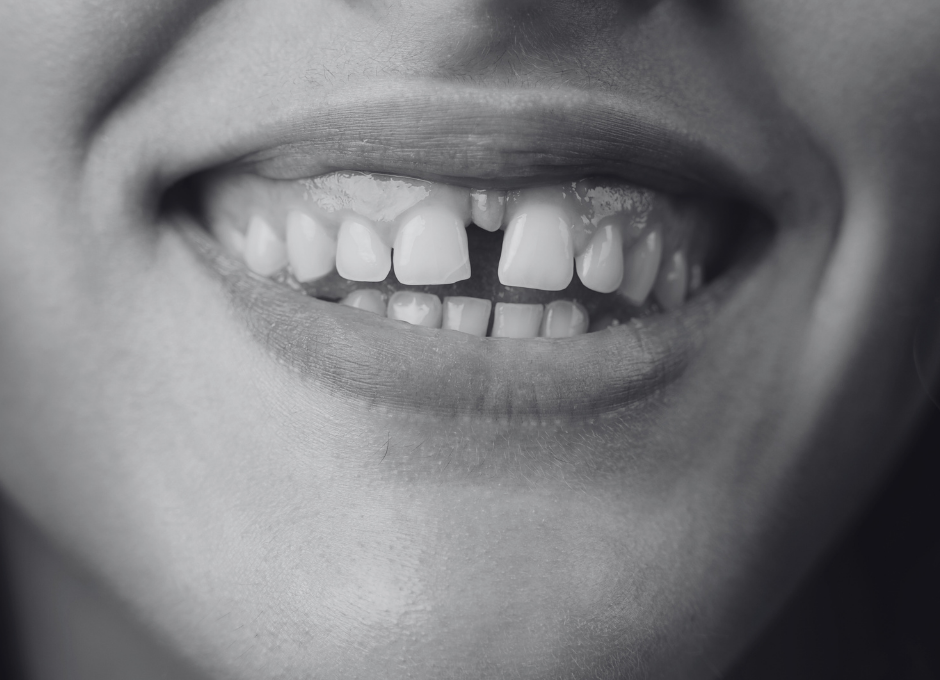
Spacing is the opposite of crowding, where there are noticeable gaps between two or more teeth. This can be caused by missing teeth, small teeth, or a large jaw.
Why it’s a problem: Gaps can be a cosmetic concern for many, but they can also leave the gums more exposed and vulnerable to injury. They can also act as food traps.
How braces fix it: Braces work to close these gaps by gently pulling the teeth together, creating a uniform, complete smile.
An overbite is when the upper front teeth excessively overlap the lower front teeth when you bite down. A slight overbite is normal, but a deep bite can cause issues.
Why it’s a problem: A severe overbite can cause the lower front teeth to bite into the roof of the mouth, leading to gum irritation. It can also cause uneven or excessive wear on the front teeth and contribute to jaw pain.
How braces fix it: Orthodontic treatment repositions the teeth and can help align the jaw to correct the vertical overlap, resulting in a healthier and more functional bite.
An underbite occurs when the lower teeth and jaw sit in front of the upper teeth when the mouth is closed, creating a “bulldog-like” appearance.
Why it’s a problem: It can make it difficult to chew properly and speak clearly. It also causes accelerated tooth wear and can lead to painful jaw joint (TMJ) problems.
How braces fix it: Braces, often used with elastics or other appliances, work to move the lower teeth back and the upper teeth forward into their correct relationship. More severe cases may require surgery in conjunction with braces.
This happens when you close your mouth and some of your upper teeth sit inside your lower teeth. It can affect a single tooth or groups of teeth, and can occur at the front or sides of the mouth.
Why it’s a problem: A crossbite can cause teeth to wear down unevenly, lead to gum disease, bone loss, and can cause the jaw to shift to one side, potentially leading to asymmetrical growth.
How braces fix it: Braces are highly effective at correcting crossbites by expanding the upper jaw and guiding the teeth into their proper positions so they bite correctly.
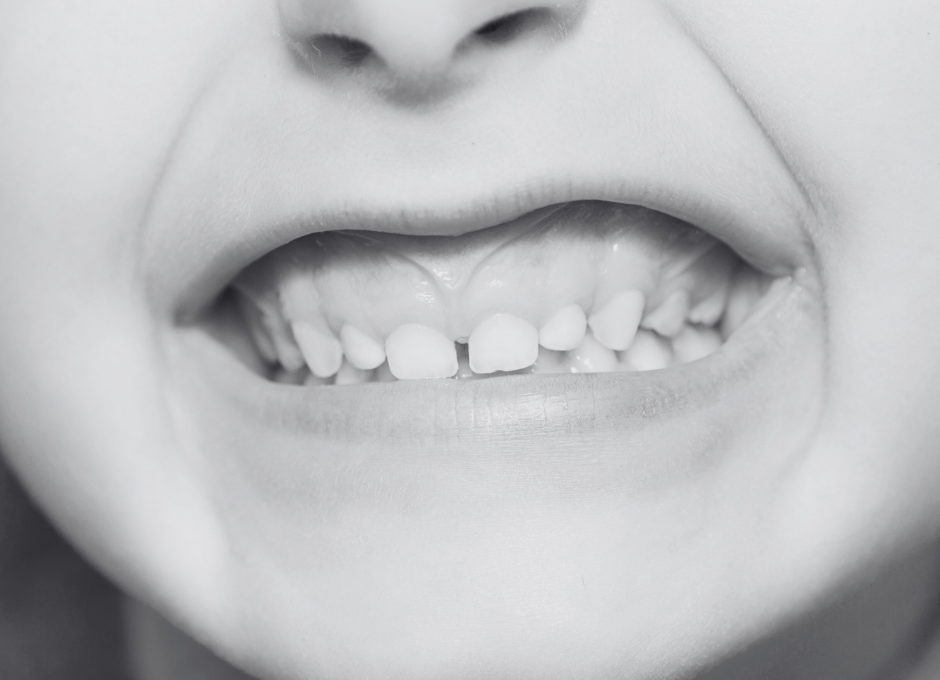
An open bite is when the front upper and lower teeth don’t make contact when you bite down, leaving a gap between them, even when the back teeth are touching.
Why it’s a problem: This places all the chewing pressure on the back teeth, causing them to wear down much faster. It can also lead to difficulty with biting and speech issues, such as a lisp.
How braces fix it: Treatment focuses on moving the upper and lower front teeth into contact to close the gap, restoring proper function for biting and chewing.
Dr. Minu Thomas is a Specialist Orthodontist with over 20 years of clinical experience, dedicated to helping patients achieve confident, healthy smiles through the highest standards of orthodontic care.
After graduating with a Bachelor of Dental Surgery, Dr. Thomas joined the Dublin Dental Hospital as a Senior House Officer, where her passion for orthodontics began.
She went on to complete her Fellowship in Dental Surgery (FDSRCS, Royal College of Surgeons in Ireland) before being appointed Executive Registrar at the Dublin Dental Hospital and School.
In 2002, Dr. Thomas was selected for the prestigious Specialist Training Program in Orthodontics at Trinity College Dublin, with clinical training at both the Dublin Dental Hospital and Waterford Regional Hospital.
She earned her Master’s in Dental Science (Orthodontics) and Specialist registration with the Dental Council of Ireland, along with Membership and Fellowship in Orthodontics from the Royal Colleges of Surgeons in Edinburgh and Ireland.
For more than 18 years, Dr. Thomas worked with the HSE Orthodontic Services in Dublin, treating a wide range of complex orthodontic cases and refining her expertise in both traditional and modern orthodontic techniques.
After graduating with a Bachelor of Dental Surgery, Dr. Thomas joined the Dublin Dental Hospital as a Senior House Officer, where her passion for orthodontics began.
After graduating with a Bachelor of
Dental Surgery, Dr. Thomas joined the
Dublin Dental Hospital as a Senior
House Officer, where her passion for
orthodontics began.
In 2023, she relocated to Sligo, where she now
works exclusively in private practice—offering
tailored, patient-centered orthodontic care for
children, teens, and adults across Sligo and
the surrounding counties.
In 2023, she relocated to Sligo, where she now works exclusively in private practice—offering tailored, patient-centered orthodontic care for children, teens, and adults across Sligo and the surrounding counties.
Dr. Thomas is passionate about combining clinical excellence with a compassionate, collaborative approach. She works closely with patients, families, and referring dentists to ensure each treatment plan achieves optimal results and a seamless patient experience.
Whether you are considering braces, aligners, or specialist orthodontic advice, Dr. Minu Thomas provides professional care you can trust—delivered with expertise, integrity, and genuine commitment.
From € 1897.90
+ Plastic Retainer
+ Bonded Retainer
From € 3897.90
+ Plastic Retainer
+ Bonded Retainer
From € 4897.90
+Appliance
+ Plastic Retainer
+ Bonded Retainer
Email:
Phone:
Designed by Alex H
Made by Rafael Monteiro